Heritage Language Week, Frankfurt (2026)
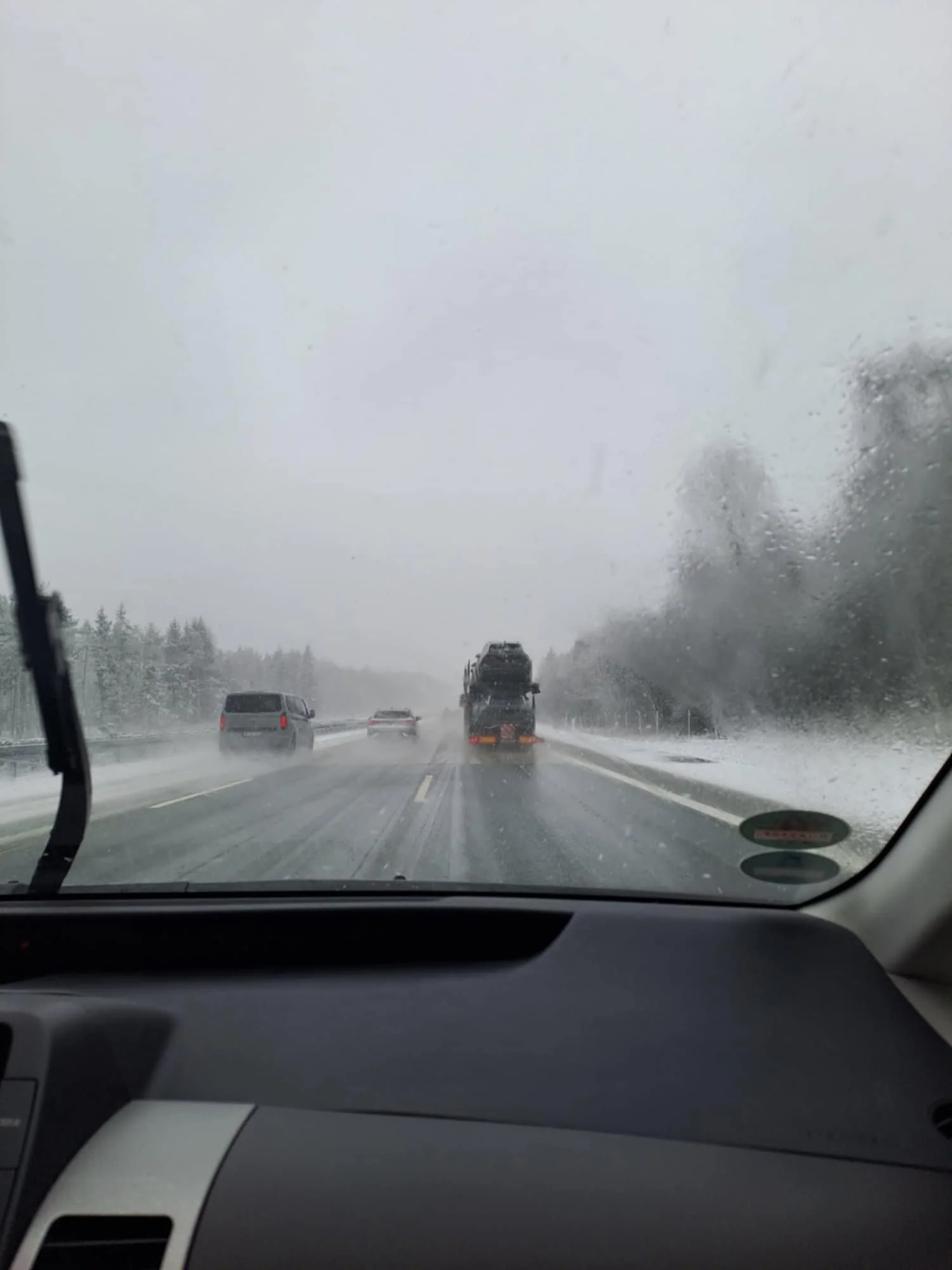
I left Berlin in a storm, literally and metaphorically. Tea bottle in one hand, task papers in the other. We drove west through a horrifyingly beautiful blizzard among agitated drivers. Once again: Germany is beautiful. I sometimes feel sorry for us regular inhabitants that we never quite have the time to take in this monumental landscape. The German landscape is diverse, too. Don’t let any French person tell you otherwise.
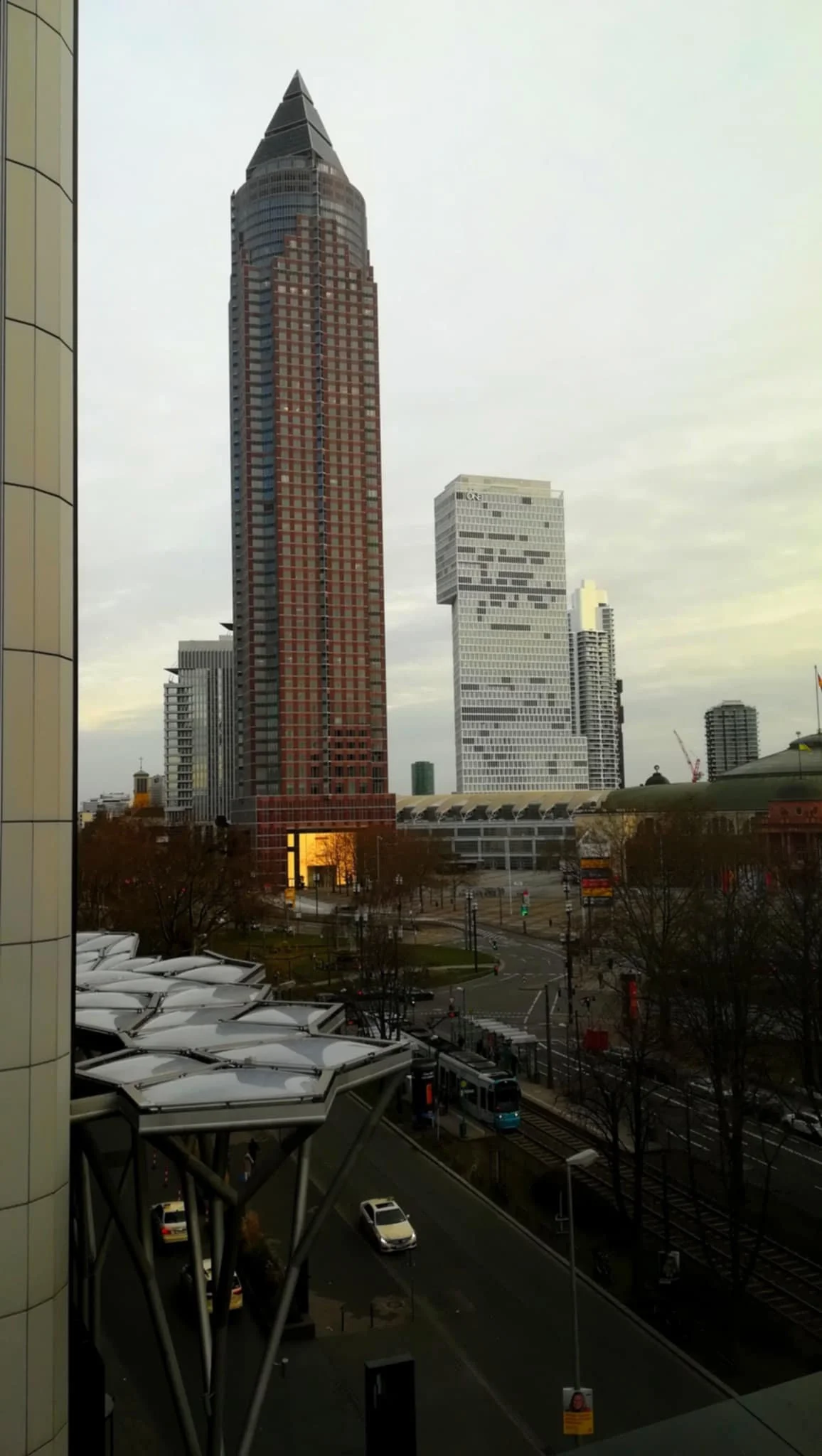
I took a cab to the UAS — public transport was on strike — and the ride bestowed on me a motley tour of Mainhattan and beyond. A skyline stabbing the eye with its cathedrals of liquidity. A diverse social fabric, refreshingly friendly. Closer to the UAS, Gründerzeit blocks: down-to-earth territories, seamless rhythms of labor and ritual behind them. It was freezing and it snizzled uninterruptedly.
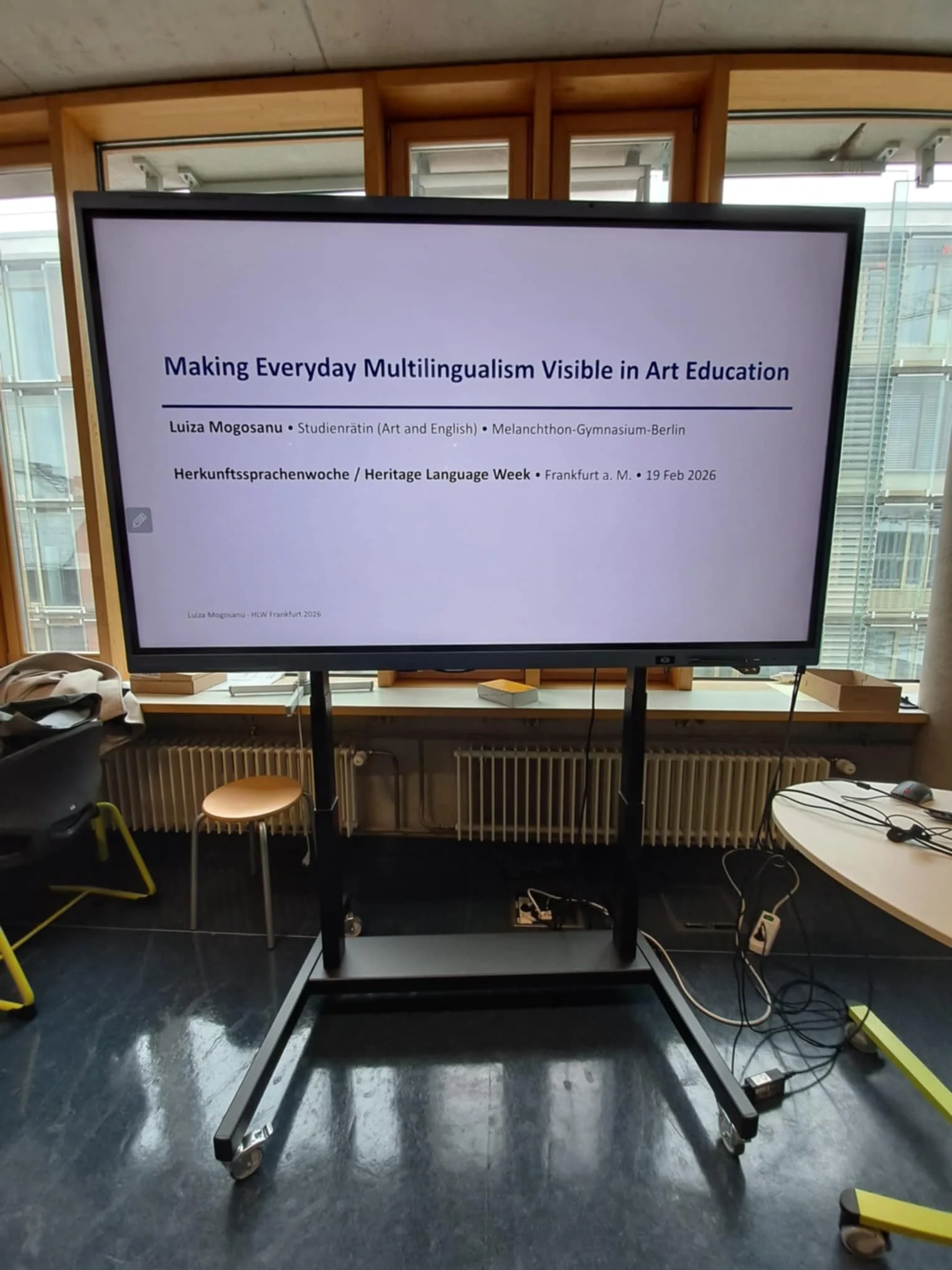
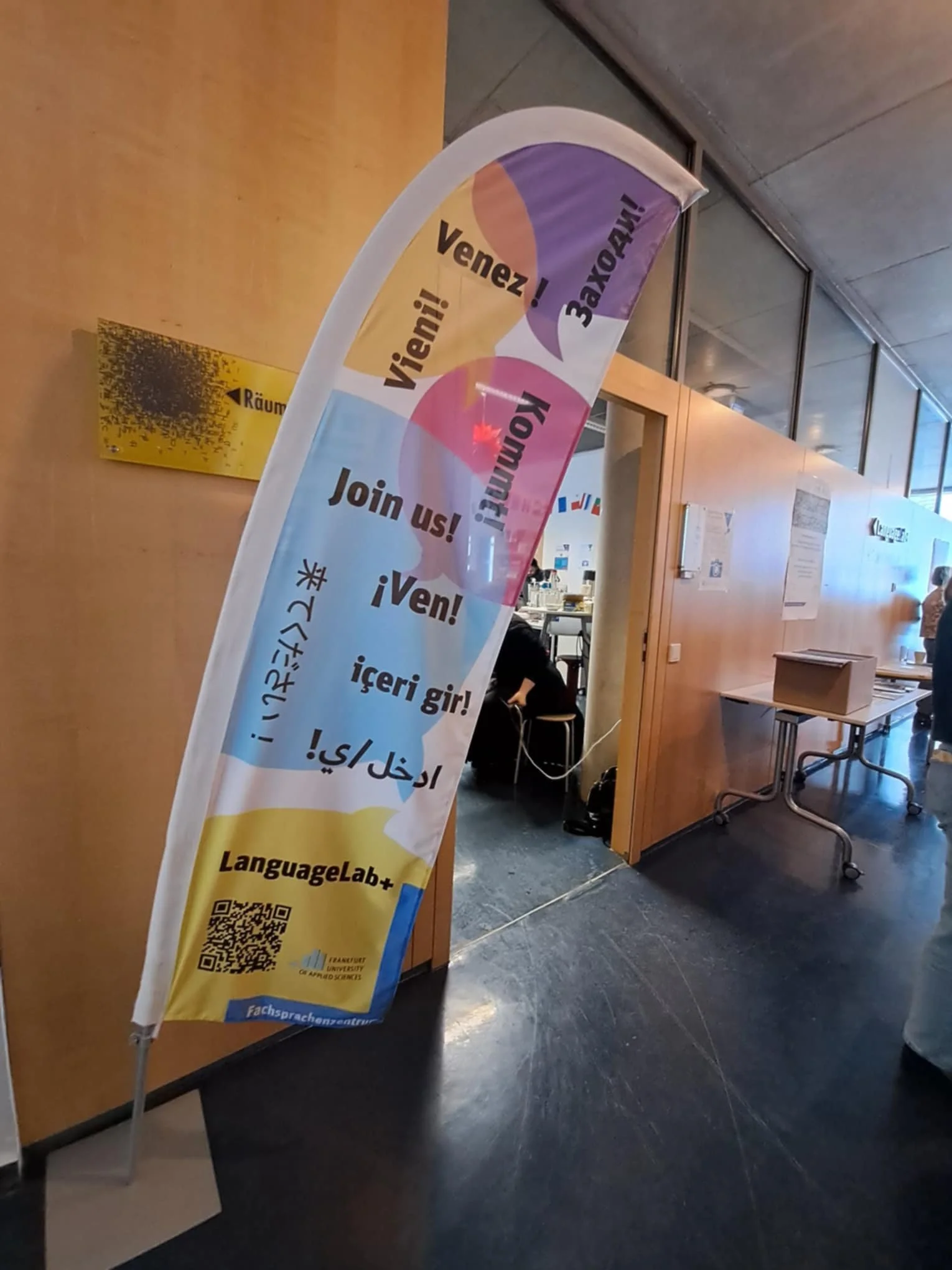
Inside the seminar rooms of the Heritage Language Week conference — the community — university researchers, practitioners, policy people, NGO actors — felt unusually consolidated, glued together by solidarity and enthusiasm: the two forces currently sustaining multilingual / HSU / bilingualism research in the dawn of cuts and scarcity. Projects ending. Funding drying up. Positions reduced because “university politics” has moved on to its next lucrative obsession. One participant told me her position is now cut to fifty percent. In Frankfurt — of all places — the wealthiest city in mainland Europe.
I wish I had had more time to attend talks beyond my own preparation. What I did have was the chance to meet remarkable university people over a closing dinner at a Turkish pub. (If you’re in Frankfurt: try Duble Meze. The flavors are hard to top, if you simply like to eat.)
What I loved most was hearing German in more possible colors, without the school anxiety to coerce and trim it to the norm. Turkish, Russian, Serbian, Sardinian accents carried theory, data, sharp questions — unapologetically. For a moment, German sounded global. Unapologetically flexible.
I also met education-policy and program-implementation colleagues. Their DKJS program “Mehr Sprachen – mehr WIR” is a case of multilingualism being made visible and workable in schools — not merely celebrated as an idea. The focus is on formats that stage and legitimize multilingual speaking in public school life: for example, a multilingual speaking competition for students.
I shared thoughts with a lecturer (Italian and Spanish) about how students often recognize grammar patterns with surprising accuracy in languages they speak imperfectly — and how precisely you can trace those patterns through what we conventionally call “errors.”
In the closing discussion, one PhD linguist told me she wished her teachers had positioned art as an essential interdisciplinary subject, away from aesthetic purism and coercion — with language as a tool for exploring an identity cosmos, not a weapon for enforcing the norm.
The organizer named her state of mind grateful, and looked toward 2027.
The way back to Berlin was mostly sunny.